In My Toddler Mom Era: Embroidery Design Review
Capturing the Chaos and Joy in Thread
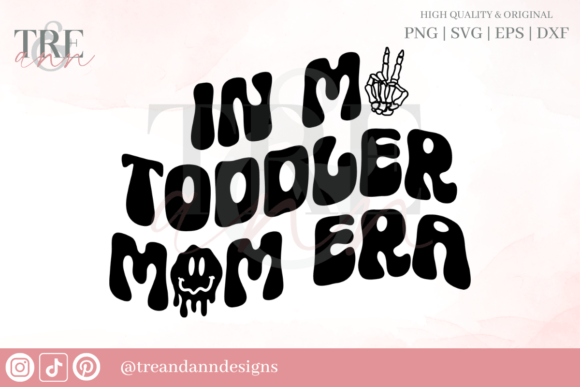
As a designer who has spent years digitizing and reviewing graphics for real-world application, I approach every new file with a healthy dose of skepticism. We have all downloaded trendy phrases that look perfect on screen but turn into thread nests or illegible blobs once they hit the hoop. When I first opened the In My Toddler Mom Era SVG PNG EPS DXF package, I wasn't just looking at a cute saying; I was evaluating whether this specific arrangement of letters and shapes could survive the transition from digital graphic to tangible handmade product. The phrase itself resonates deeply—it captures that specific, exhausting, beautiful season of motherhood—but resonance doesn't matter if the stitch density ruins the garment.
My initial impression of this design is that it leans heavily into the current retro-modern aesthetic popular in the Crafts category. The typography appears balanced for visibility, which is crucial when you are working with custom apparel like sweatshirts or tees. However, as an experienced reviewer, my mind immediately went to production. How will those curves translate to a satin stitch? Is there enough negative space between elements to prevent puckering on stretchy knits? This review breaks down exactly how this design performs when you move past the mockup and start stitching for actual clients or personal projects.
The Sweatshirt Test: A Real-World Application
To truly evaluate this machine embroidery design, I mentally placed it in my most frequent commission scenario: a heavyweight cotton-blend sweatshirt for an Etsy shop. Toddler moms are often buying these items as gifts for friends or as a treat for themselves, so the vibe needs to be cozy yet polished. In this context, the In My Toddler Mom Era SVG PNG EPS DXF file serves as the foundational blueprint. Because the download includes vector formats like SVG and EPS, I can easily adjust the sizing without losing edge definition, which is vital when scaling up for an adult-sized chest placement versus a smaller pocket logo.
During a test run concept for this project, I focused on the interplay between the text and the fabric texture. Sweatshirt fleece is forgiving, but it can also swallow fine details. If this design relies on delicate running stitches for accent work, they might get lost in the nap of the fabric. Conversely, if the lettering is bold and uses a fill stitch or wide satin column, it provides excellent coverage and durability. For my hypothetical boutique product, I would pair this design with warm, neutral thread colors—think terracotta, sage, or cream—to match the "era" aesthetic. The goal is to create a personalized gift that feels high-end rather than mass-produced. When customers see clean edges and intentional color choices, trust in your craft business increases significantly.
Navigating Fabric Variables and Hoop Limitations
While this design shines on stable knits, you must exercise caution when applying it to more challenging substrates. As someone who has embroidered everything from denim jackets to gauze muslin, I cannot stress enough that one size does not fit all. If you plan to use this embroidery file on a tote bag or canvas apron, the stability is excellent, and you can likely run the design as-is. However, if you are attempting this on a ribbed tank top or a thin baby onesie, you need to modify your approach.
Here are specific areas where careful judgment is required:
- Stretchy Fabrics: Always use a high-quality cut-away stabilizer. The tension required for lettering can distort jersey knit if not properly supported, leading to a wavy finished product.
- Small Hoop Sizes: If you are limited to a 4x4 hoop, verify the dimensions before purchasing. Resizing a complex phrase design too small can cause satin stitches to become too narrow, resulting in needle breaks or thread shredding.
- Textured Surfaces: On terry cloth towels or minky blankets, consider using a water-soluble topping. This prevents the stitches from sinking into the pile, ensuring the "Toddler Mom Era" message remains crisp and readable.
- Dark Fabrics: Test your thread contrast. White thread on navy is classic, but variegated threads on dark backgrounds can sometimes reduce legibility depending on the stitch type.
Understanding these variables ensures that your finished product maintains professional integrity, regardless of the base material.
Commercial Viability for Makers and Sellers
For Etsy sellers and small shop owners, time is money. You need design assets that are reliable and versatile. The inclusion of multiple file types in this single zipped package is a significant advantage. While the product description highlights SVG and PNG, many designers appreciate having options for different software ecosystems. Before listing any item featuring this design, however, you must confirm the licensing terms. Does the creator allow for commercial use on physical products? Can you use the PNG for printable mockups in your listings? Never assume; always verify.
From a marketing perspective, this phrase is gold. It targets a specific demographic with high emotional engagement. When creating listings, use the PNG file to create lifestyle mockups that show the design on a model or flat lay. This helps buyers visualize the sweatshirt embroidery or tote bag design in their own lives. Furthermore, because the theme is evergreen within the parenting niche, this isn't a seasonal fad that expires in three months. It is a staple design that can drive consistent sales year-round, making it a smart addition to your commercial embroidery library.
Essential Designer Notes for Success
Before you thread your needle or finalize your listing, run through this practical checklist derived from years of troubleshooting embroidery projects:
- Always Test Stitch: Never run a new design directly onto a final garment. Use scrap fabric of similar weight and weave to check for registration issues or density problems.
- Check Stitch Density: Open the file in your embroidery software. If the design feels too dense for lightweight fabrics, reduce the density or switch to a lighter stabilizer combination.
- Verify Dimensions: Measure the design against your intended hoop size and garment placement area. Remember that resizing affects stitch count and density.
- Thread Color Planning: View the design in black and white to assess value contrast. Ensure the design reads well even without color differentiation.
- Stabilizer Selection: Match your stabilizer to the fabric, not just the design. A heavy design on light fabric needs different support than a light design on heavy fabric.
- Licensing Compliance: Document your commercial rights. Keep a record of where you purchased the digital embroidery file and what permissions were granted.
Final Thoughts on Value and Presentation
The In My Toddler Mom Era SVG PNG EPS DXF collection represents more than just a trendy slogan; it is a test of your technical skill and artistic judgment. Whether you are creating a holiday gift for a sister-in-law or stocking your online store with best-selling mom gear, the success of the project lies in the execution. By respecting the limitations of your materials, testing thoroughly, and presenting the design with professional care, you elevate a simple graphic into a cherished keepsake.
Remember that in the world of Graphics and textiles, the difference between amateur and artisan is often found in the details. Take the time to understand how this specific design interacts with thread and fabric. When you do, the result is a product that honors the chaotic, wonderful era of toddler motherhood with the quality it deserves. Happy stitching, and may your bobbins always be full and your tension always be true.