Horey Mom Retro Svg Design: An Embroidery Review
As a professional embroidery digitizer and product reviewer, I approach every new graphic with a specific question: will this actually stitch out well on physical fabric? When evaluating the Horey Mom Retro Svg Design, my assessment goes far beyond how cute it looks on a screen. While this file is categorized under Crafts and Graphics, its true value lies in its translation to thread. For Etsy sellers, apparel decorators, and makers creating personalized gifts, understanding the structural integrity of this design is just as important as its aesthetic appeal. This review breaks down the practical realities of using this retro-inspired artwork for real-world embroidery projects.
Capturing the Retro Vibe Through Thread
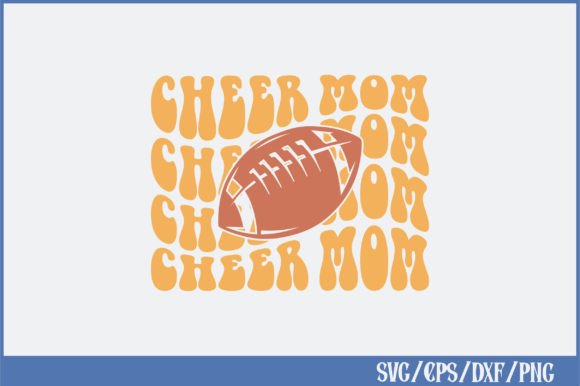
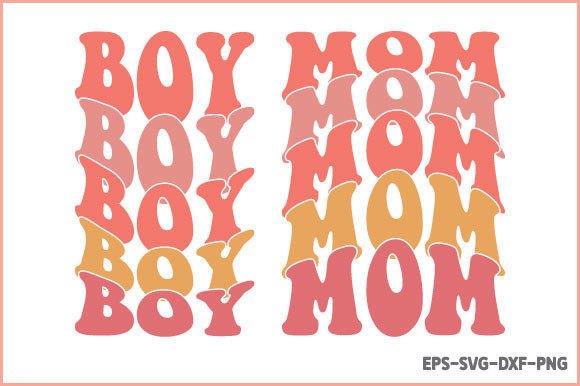
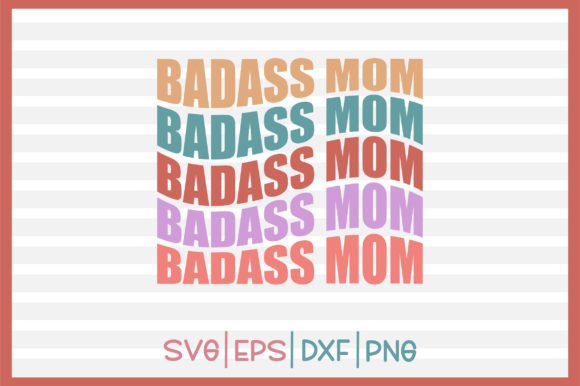
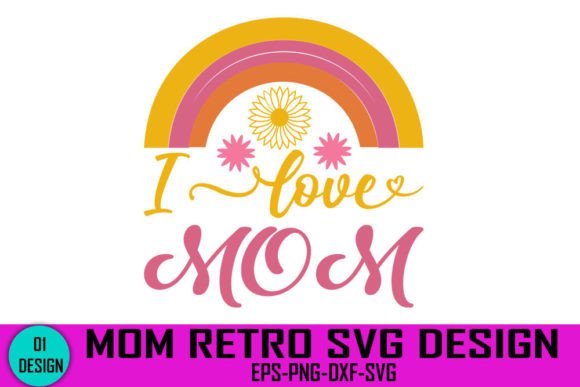
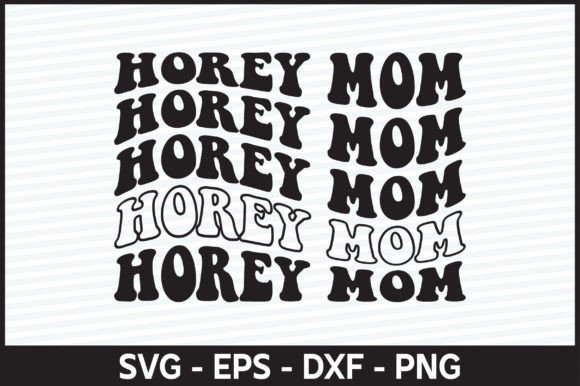
The first impression of the Horey Mom Retro Svg Design is undeniably nostalgic. The typography and layout suggest a mid-century or 70s aesthetic, which is currently dominating the custom apparel market. However, from a digitizing perspective, "retro" often implies specific challenges. The curves in vintage-style lettering must be smooth, not jagged. When I look at this design, I am immediately checking if the vector points are clean enough to convert into satin stitches without excessive manual editing. A successful retro vibe relies on bold, confident lines. If the source SVG has too many anchor points, your machine embroidery design may suffer from puckering or uneven edges.
The mood this design creates is playful yet mature. It strikes a balance that works exceptionally well for mom-centric merchandise without feeling juvenile. For a handmade product, this visual personality is crucial. Customers buying custom sweatshirt embroidery or tote bag designs are looking for something that feels curated and stylish, not generic. The layout appears balanced, suggesting it would center beautifully on a chest placement or as a standalone back print on a hoodie. This balance is vital for maintaining brand consistency across a small shop product line.
Real-World Application: The Custom Sweatshirt Test
To truly judge this asset, let’s apply it to a realistic scenario: preparing a custom embroidered sweatshirt for a boutique holiday collection. Sweatshirts are typically made of fleece or French terry, fabrics that have stretch and texture. Using the Horey Mom Retro Svg Design in this context requires strategic planning. Because the design likely features text-heavy elements common in retro graphics, I would treat this primarily as an applique design or a combination of fill stitch and satin stitch columns.
If you attempt to run this purely as a dense satin stitch on fleece, you risk two issues: fabric distortion and a stiff, bulletproof feel. In my experience testing similar retro graphics, the best results come from using a cutaway stabilizer to manage the stretch and opting for lighter density fills where possible. For a commercial embroidery project intended for sale, comfort is king. A heavy design might look great in a printable mockup, but if the finished product feels like armor, customers won't return. I envision this design performing best as a left-chest logo size (3x3 inches) or a centered medium size (5x7 inches). These dimensions preserve the legibility of the retro font while keeping the stitch count manageable for production efficiency.
Navigating Fabric Limitations and Hoop Sizes
Not every canvas is suitable for this specific artwork. While the Horey Mom Retro Svg Design is versatile, there are environments where caution is necessary. Detailed corners and tiny lettering inherent in retro styles can get lost on highly textured fabrics like terry cloth towels or chunky knits. If you are planning baby embroidery items, such as onesies or bibs, you must verify the minimum safe size of the design. Scaling down complex retro fonts often leads to thread breaks and illegible text. Always check your hoop size limitations before committing to a run; resizing a vector SVG is easy, but resizing a digitized embroidery file after the fact can ruin stitch angles.
Dark fabrics present another consideration. Retro designs often rely on color blocking. If you stitch this on a black sweatshirt, ensure your digital embroidery file includes adequate underlay to prevent the dark fabric from grinning through lighter thread colors. Conversely, on thin or sheer fabrics, the stitch density of this design could cause tearing. I would avoid using this specific graphic on lightweight linen tea towels unless backed with a heavy fusible stabilizer. For caps and curved surfaces, the horizontal span of retro text can be problematic. Unless the design has been specifically digitized with cap compensation (curved baseline), sticking to flat garments like aprons, pillow covers, and tote bags is the safer bet for professional results.
Elevating Product Value and Customer Trust
Why does technical execution matter for sales? Because stitch clarity directly correlates to perceived value. When a customer receives a personalized gift featuring the Horey Mom Retro Svg Design, they are judging your craftsmanship. Clean satin edges, proper registration between colors, and appropriate tension signal professionalism. Sloppy stitching devalues even the most beautiful graphic. For Etsy sellers and creative entrepreneurs, high-quality output builds trust and encourages repeat business.
This design also offers excellent versatility for digital product sellers. Before listing a finished item, use the included PNG format to create accurate, high-resolution mockups. However, never rely solely on digital previews. Stitching out a sample confirms that the design assets translate correctly from screen to fabric. This step prevents returns and negative reviews caused by unmet expectations. Furthermore, seeing the physical result helps you determine the best thread colors to recommend or bundle with the design, enhancing the buyer engagement and overall shopping experience.
Essential Designer Notes for Success
Before loading this file into your machine or listing it in your shop, adhere to these practical guidelines derived from professional testing:
- Verify Licensing: Confirm whether your purchase allows for commercial embroidery of finished products versus selling the digital file itself. Terms vary significantly between designers.
- Test on Scrap Fabric: Never stitch the final version first. Use a scrap of the exact material you intend to sell to test stabilizer choices and tension.
- Check Thread Contrast: Retro designs often use tonal palettes. Ensure sufficient contrast exists between thread colors and the garment base for readability in photos and real life.
- Inspect Small Details: Zoom in on the embroidery file to identify any areas smaller than 2mm. These may need to be manually adjusted or removed to prevent needle damage.
- Stabilizer Selection: Match your stabilizer to the fabric weight. Cutaway for stretchy knits, tear-away for stable wovens, and water-soluble toppings for high-pile fabrics.
- Mockup Accuracy: When creating listings, disclose if the image is a digital rendering or a photo of an actual stitched sample to maintain transparency.
- Format Compatibility: Although SVG, EPS, DXF, and PNG are included, ensure your embroidery software or machine supports the conversion process if raw vector files are provided rather than pre-digitized formats.
Final Thoughts on Production Viability
The Horey Mom Retro Svg Design holds significant promise for makers focused on trendy, nostalgic apparel and accessories. Its strength lies in its strong visual identity and alignment with current market trends in the crafts sector. However, success depends entirely on respectful translation from vector to stitch. By treating this graphic as a blueprint rather than a finished solution, and by applying rigorous testing protocols, you can transform this digital asset into a profitable, high-quality staple in your embroidery business. Whether you are crafting a unique holiday gift or scaling up a boutique inventory, mindful execution ensures this retro design remains timeless in both style and durability.