Cheer Mom Retro Svg Design: An Embroidery Review
As a professional embroidery designer and product reviewer, I approach every new graphic asset with a specific question: will this actually stitch out cleanly on fabric? When evaluating the Cheer Mom Retro Svg Design, my focus shifts immediately from screen aesthetics to needle performance. While this file is categorized under Crafts and Graphics as a digital download including SVG, EPS, DXF, and PNG formats, its true value lies in its potential as a machine embroidery design for custom apparel and personalized gifts. The retro aesthetic is currently dominating the handmade market, but nostalgia does not excuse poor digitizing or structural weaknesses. Here is my practical assessment of how this design performs when moved from a digital workspace to an embroidery hoop.
First Impressions and Visual Personality
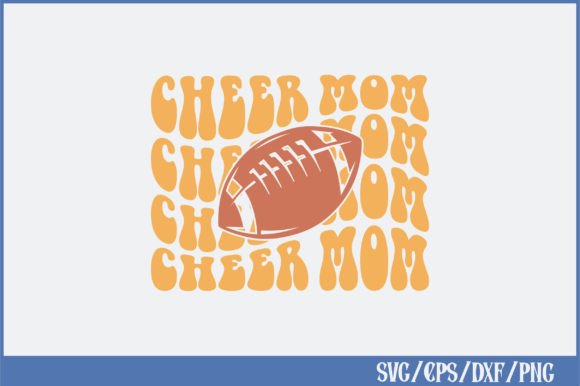
Upon opening the Cheer Mom Retro Svg Design, the immediate mood is energetic yet vintage. The typography likely features bold, bubbly lettering or groovy serifs characteristic of 70s-inspired trends, which translates exceptionally well to thread. From a designer’s perspective, retro styles are forgiving because they embrace imperfection and texture. However, the layout must be balanced. In this design, the visual weight appears centered, making it an ideal candidate for sweatshirt embroidery or tote bag design placement. The shapes are distinct enough to suggest clean satin stitch outlines or fill stitch areas without becoming muddy. For an Etsy seller or small shop product line, this visual personality signals warmth and approachability, two critical factors for buyer engagement in the motherhood niche.
Real-World Application: The Custom Sweatshirt Test
To truly judge this asset, I mentally applied it to a real-life scenario: creating a custom embroidered sweatshirt for a boutique client who wants a "game day" mom gift. Sweatshirts present unique challenges due to fleece texture and stretch. The Cheer Mom Retro Svg Design works here because retro graphics typically utilize bolder lines that can withstand the pile of fleece fabric. If the design were too intricate with tiny running stitch details, it would get lost in the fabric texture. Instead, the probable use of thicker columns in this retro style ensures the design pops against cotton-poly blends.
For this project, I would treat the vector file as a template for digitizing or, if purchasing a pre-digitized version, verify the stitch density. The goal is a finished product that feels soft to the touch, not bulletproof. A dense satin stitch border around the retro letters provides necessary definition, while lighter fill stitches in the center prevent puckering on stretchy garments. This balance is what separates a professional commercial embroidery piece from a hobbyist attempt. When listing this as a personalized gift, showing a mockup of the design on a heather grey or cream sweatshirt helps customers visualize the final texture and scale.
Fabric Compatibility and Technical Constraints
While the Cheer Mom Retro Svg Design is versatile, it requires careful consideration regarding substrate selection. Not all fabrics welcome retro typography equally. Here is where you must exercise caution:
- Stretchy Knits and Jersey: Always use appropriate stabilizer. Retro designs often have horizontal elements that can distort if the fabric stretches during hooping. A cut-away stabilizer is non-negotiable for baby embroidery or t-shirts to maintain shape integrity after washing.
- Textured Fabrics like Terry Cloth: If using this for kitchen towels or aprons, ensure the stitch density is sufficient to cover the loops. You may need to add a water-soluble topping to prevent the retro lettering from sinking into the pile.
- Curved Surfaces: Be wary of using wide, horizontal retro text on caps. The curvature of a hat can distort straight baselines. If adapting this Cheer Mom Retro Svg Design for headwear, you may need to arc the text or reduce the width to fit the cap frame without distortion.
- Dark vs. Light Fabrics: Retro palettes often include muted tones. Test thread colors against dark backgrounds first. Low contrast between thread and fabric kills the vintage vibe. You might need to add a white underlay or outline to make the design readable on navy or black apparel.
Digitizing Considerations for Vector Assets
Since the download includes SVG, EPS, and DXF formats, many users will be importing these into embroidery software to create their own digital embroidery file. As a designer, I advise checking the node count before auto-digitizing. Retro graphics can sometimes have excessive anchor points that translate to jagged stitches. Smooth out the vectors first. Pay attention to the transition points between colors; efficient color changes reduce production time for craft business owners running multiple units. If the design includes applique elements, ensure there is adequate tack-down allowance and fray prevention in your digitizing settings. A poorly executed applique edge ruins the nostalgic charm instantly.
Commercial Viability and Brand Consistency
For creative entrepreneurs and handmade shop owners, the Cheer Mom Retro Svg Design represents more than just a pretty picture; it is a revenue driver. Retro themes have high recognition and giftability, particularly for Mother’s Day, sports seasons, and holiday embroidery projects. However, professionalism dictates consistency. If you use this design for a tote bag, ensure the sizing matches your other shop products. A massive 8-inch design on a shirt paired with a tiny 2-inch logo on a matching bag creates brand dissonance.
Furthermore, consider the licensing. Before selling finished items or using the design in printable mockups for digital product previews, confirm whether your license covers commercial embroidery. Trust is built on transparency. Customers appreciate knowing that the small shop product they are buying respects intellectual property. Additionally, when creating listings, use the PNG format provided in the download for high-quality digital previews, but always photograph a physical stitch-out. Buyers want to see how the thread interacts with light, not just a flat digital rendering. This builds confidence in your craftsmanship and reduces return rates due to unmet expectations.
Practical Designer Notes for Success
Before committing the Cheer Mom Retro Svg Design to a final customer order, run through this essential checklist derived from years of embroidery experience:
- Test Stitch on Scrap: Never skip this step. Verify that the retro curves are smooth and corners are sharp. Adjust tension if the bobbin thread shows on top.
- Check Hoop Size Requirements: Ensure the design fits your hoop with at least a half-inch margin. Crowding the hoop edges causes registration issues, especially with multi-color retro designs.
- Evaluate Thread Color Contrast: View your chosen palette in natural light. Retro colors can look drastically different under LED machine lights versus daylight.
- Inspect Small Details: If the design has tiny accent stars or hearts, ensure they are large enough to stitch clearly. Anything under 4mm risks turning into a thread nest.
- Verify Licensing Terms: Double-check if the license allows for physical product sales versus digital redistribution. Protect your business by staying compliant.
- Mockup Realistically: Use the included PNG for Etsy listings, but overlay it on a textured fabric background rather than a plain white square to set accurate customer expectations.
The Cheer Mom Retro Svg Design holds significant promise for apparel decorators and makers, provided it is treated with technical respect. Its success depends entirely on your ability to translate vector lines into tactile thread paths. By focusing on stabilizer choices, fabric compatibility, and commercial presentation, you transform a simple digital graphic into a cherished, high-value embroidered heirloom. Whether you are crafting a personalized gift for a friend or scaling production for a busy holiday season, let practical judgment guide your needle, and the results will speak for themselves.