Retro Mom Life SVG: An Embroidery Designer’s Review
As a professional embroidery digitizer and product reviewer, I approach every new graphic with a specific question: will this actually stitch out well on fabric? When evaluating the Retro Mom Life SVG for potential use in client projects or shop inventory, my assessment goes far beyond the screen. While this digital asset is marketed primarily as a cut file for Silhouette and Cricut users, its aesthetic holds significant promise for machine embroidery design when handled correctly. The retro typography and nostalgic vibe currently dominating the handmade market make this a strong contender for apparel decorators and Etsy sellers, but translating vector graphics into thread requires careful consideration of stitch density, fabric texture, and structural integrity.
First Impressions and Aesthetic Versatility
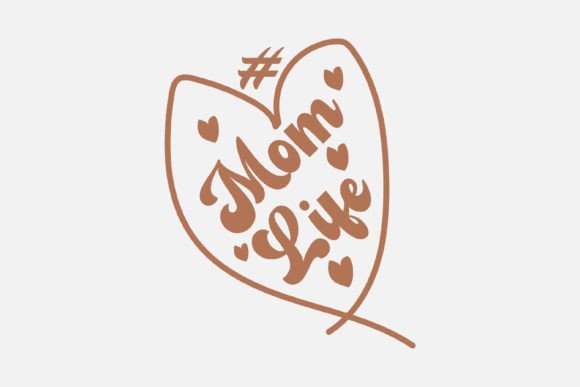
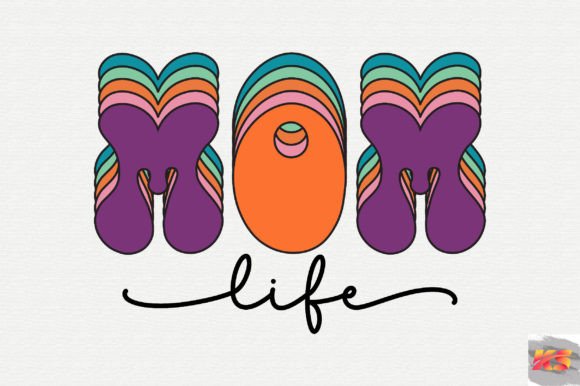
Upon opening the zip folder containing the SVG, DXF, EPS, and PNG files, the visual personality of the Retro Mom Life SVG immediately suggests warmth and approachability. The layout typically features bold, groovy lettering or vintage-inspired motifs that evoke a sense of comfort. For a craft business owner or creative entrepreneur, this mood is highly sellable. It fits perfectly into the current trend of ironic yet affectionate parenting merchandise. However, as an experienced designer, I look at the negative space and line weight. In digital graphics, thin lines are effortless; in embroidery, they are risk points. This design appears to have sufficient body to support satin stitch borders or fill stitch interiors without becoming too dense, provided the digitizing parameters are adjusted for the target material.
The versatility of this graphic allows it to bridge multiple categories within Crafts and Graphics. It is not limited to a single application. I can envision this working beautifully as a centerpiece for sweatshirt embroidery, where the retro font contrasts nicely against heavyweight cotton fleece. Conversely, the cleaner lines could serve as a minimalist tote bag design for eco-conscious moms. For those creating personalized gifts, the design offers enough character to stand alone while leaving ample room for custom names or dates, which is essential for high-value commercial embroidery listings.
Real-World Application: The Custom Sweatshirt Test
To truly evaluate this asset, I mentally placed it in a real-life production scenario: preparing a custom embroidered sweatshirt for a boutique holiday collection. Sweatshirts are a staple for small shop products, but they present unique challenges due to their stretch and pile. Using the Retro Mom Life SVG as a base, I considered how the design would interact with French terry fabric. The retro aesthetic demands a slightly distressed or soft-hand feel, which means avoiding excessive stabilizer buildup that creates a "bulletproof" patch effect.
In this scenario, I would likely convert key elements of the SVG into an applique design rather than a full-fill stitch. This reduces stitch count significantly, preserving the garment's drape and comfort—a critical factor for customer satisfaction and repeat business. The transparent background PNG included in the download is invaluable here for creating printable mockups before a single needle penetrates fabric. By overlaying the PNG onto a sweatshirt template, I can verify placement and scale, ensuring the design sits correctly on the chest or back without distortion. This step saves time and materials, allowing me to confirm that the visual balance matches the retro theme before committing to digitizing.
Navigating Fabric Limitations and Technical Constraints
While the Retro Mom Life SVG is visually appealing, practical judgment dictates caution on certain substrates. As an embroidery project foundation, this design requires scrutiny regarding detail level. If the original vector contains intricate serifs or extremely thin connecting lines, these may not translate well to running stitch on textured fabrics like linen or canvas. On tea towels or kitchen textiles, the weave can swallow fine details, making the text illegible. In such cases, I recommend simplifying the design assets during the digitizing phase, perhaps opting for a bolder sans-serif modification or increasing column widths.
Stretchy fabrics and curved surfaces demand extra attention. If applying this design to a baby onesie or a cap, the hoop size and stabilizer choice become non-negotiable variables. Baby embroidery requires skin-safe backing and minimal density to prevent irritation. The retro style often implies bold colors, but high-contrast thread colors on dark fabric can sometimes cause tension issues or show white bobbin thread if not managed properly. Always test on scrap fabric first. Furthermore, caps introduce curvature that distorts flat vectors; what looks centered in the SVG file may appear skewed once wrapped around a bill. Professionalism lies in anticipating these distortions and compensating for them during the digitizing process, rather than blaming the source file.
Commercial Viability and Brand Consistency
For Etsy sellers and handmade shop owners, the value of the Retro Mom Life SVG extends beyond a single finished product. It serves as a building block for brand consistency. The retro niche has high buyer engagement because it triggers emotional recognition. When used across a cohesive product line—matching aprons, nursery decor, and holiday gifts—it establishes a recognizable shop identity. However, creators must verify licensing terms before selling. The product description confirms file compatibility but does not explicitly state commercial usage rights for physical or digital resale. Responsible entrepreneurs must clarify this to protect their business and respect intellectual property.
From a marketing perspective, the included PNG file facilitates professional presentation. High-quality digital product previews and printable mockups are just as important as the physical stitch-out. Customers buy based on trust and visual clarity. Showing the design in context, perhaps on a lifestyle photo of a mom wearing the sweatshirt or carrying the tote bag, bridges the gap between digital art and tangible value. This humanizes the product and demonstrates how the retro aesthetic integrates into daily life, significantly boosting conversion rates compared to flat, isolated images.
Essential Designer Notes for Successful Execution
Before adding this design to your production queue, adhere to these practical guidelines to ensure professional results:
- Verify Compatibility and Licensing: Confirm that your embroidery software can import SVG or DXF files cleanly and double-check the seller’s terms regarding commercial embroidery and digital redistribution.
- Assess Stitch Density: Retro designs can be deceptively dense. Use your software’s analysis tools to check stitch count relative to hoop size and fabric weight to avoid puckering or stiffness.
- Test Thread Contrast: Retro palettes often involve muted tones. Test stitch-outs on both light and dark backgrounds to ensure readability and aesthetic appeal before bulk production.
- Evaluate Small Details: Inspect the SVG for tiny elements that may require removal or enlargement. Text smaller than 6mm rarely embroiders clearly without specialized micro-font techniques.
- Stabilizer Selection: Match your stabilizer to the fabric, not just the design. Cutaway for knits, tear-away for wovens, and water-soluble toppings for textured surfaces are standard best practices.
- Mockup Validation: Utilize the transparent PNG to create realistic previews. Check alignment and proportion digitally to catch layout errors before hooping fabric.
Ultimately, the Retro Mom Life SVG represents a valuable opportunity for makers who understand the translation from screen to stitch. Its success depends entirely on the user's willingness to adapt the graphic for textile realities. By respecting fabric limitations, testing rigorously, and leveraging the design’s inherent nostalgic charm, embroidery designers and small business owners can transform this digital asset into profitable, cherished handmade products. Whether destined for a personalized gift or a best-selling boutique item, thoughtful execution is what separates amateur attempts from professional, market-ready embroidery.