Proud Autism Mom SVG: An Embroidery Review
As a professional embroidery designer and product reviewer, I approach every new graphic with a specific question: will this actually stitch out well on fabric? When evaluating the Proud Autism Mom Autism SVG, my focus shifts immediately from screen resolution to needle penetration. While the provided specifications list a high-resolution 4500×5400 pixel source file at 300 dpi in RGB color mode, these metrics primarily benefit print-on-demand sellers and digital mockup creators. For those of us running embroidery machines, the true value lies in how this vector artwork translates into satin stitches, fill patterns, and structural integrity on textiles.
First Impressions and Emotional Resonance
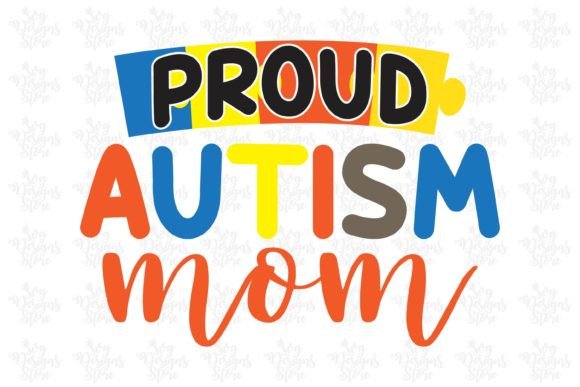
The visual personality of this design strikes a necessary balance between advocacy and warmth. In the world of Crafts and awareness merchandise, there is often a tendency toward overly clinical symbols or chaotic layouts that fail to embroider cleanly. This graphic, however, presents a cohesive shape that suggests it was created with intentionality. The mood is confident yet gentle, making it suitable for a wide demographic ranging from new parents navigating a diagnosis to seasoned advocates attending community events.
From a design hierarchy perspective, the layout appears optimized for center-chest placement on apparel or as a primary focal point on accessories. The typography and iconography seem integrated rather than stacked haphazardly, which is crucial for maintaining registration during stitching. When I look at this Proud Autism Mom Autism SVG, I see a design that respects the emotional weight of the message while adhering to the spatial constraints required for quality needlework. It avoids the common pitfall of excessive negative space that can make an embroidered piece look sparse or unfinished on darker garments.
Real-World Application: The Custom Sweatshirt Test
To truly evaluate this asset, I mentally placed it in a current production scenario: creating a custom crewneck sweatshirt for a client’s autism awareness fundraiser. Sweatshirts are a staple for Etsy sellers and small shop owners because they offer a large canvas and high perceived value. However, fleece and French terry fabrics present unique challenges due to their texture and stretch.
In this real-life case, the Proud Autism Mom Autism SVG would serve as the centerpiece of a limited-edition capsule collection. The high-resolution PNG included in the package is invaluable here for creating accurate printable mockups to show the client before a single needle touches fabric. Clients need to visualize the final product, and having a crisp, transparent background file ensures the mockup looks professional rather than pixelated.
For the actual sweatshirt embroidery, the vector nature of the SVG support file is the critical component. Because sweatshirt fabric has a pile, fine details can get lost. I would use the SVG to adjust line weights slightly, ensuring that any thin elements in the design are thick enough to accommodate a minimum column width of 1mm. This prevents thread breaks and ensures the design remains legible against the textured background. The result is a handmade product that feels boutique-quality rather than homemade, directly influencing customer trust and willingness to pay premium pricing.
Navigating Fabric Variables and Hoop Constraints
While the design shows promise, experienced makers know that versatility requires caution. Not every substrate behaves like a stable cotton twill. When applying this Proud Autism Mom Autism SVG to different projects, specific adjustments are non-negotiable.
- Stretchy Knits and Baby Clothes: If adapting this for baby embroidery or performance wear, the design density must be managed carefully. Heavy fill areas on lightweight knits can cause puckering or fabric distortion. Always pair this design with appropriate cut-away stabilizer and consider using a water-soluble topping to prevent stitches from sinking into the fabric weave.
- Textured Fabrics and Towels: For kitchen towels or plush blankets, the intricate corners of the graphic may require simplification. High-pile fabrics swallow detail. You may need to increase the spacing between elements or convert delicate lines to running stitches with increased length to maintain visibility.
- Curved Surfaces and Caps: Using this as a tote bag design is straightforward, but cap embroidery introduces curvature. Flat vectors do not naturally wrap around a structured hat front without distortion. Check the vertical height of the design against your specific cap frame limits. If the Proud Autism Mom Autism SVG exceeds 2.25 inches vertically, it may require resizing or re-digitizing specifically for headwear to avoid hitting the seam or bill.
- Dark vs. Light Fabrics: Since the source is RGB, remember that thread colors do not emit light like pixels do. On black fabric, ensure the design includes adequate underlay or lighter outline elements to create contrast. A design that pops on a white screen might disappear entirely on navy cotton without strategic thread color selection.
Technical Considerations for Commercial Use
For commercial embroidery businesses and digital product sellers, technical compliance is as important as aesthetic appeal. The inclusion of both high-res raster files and SVG support files makes this asset versatile, but users must verify licensing terms before selling finished goods or derivative digital files. Never assume commercial rights; always confirm whether the license covers physical products, digital resale, or both.
When preparing this as a machine embroidery design, do not rely solely on auto-digitizing software. Auto-digitizers often misinterpret complex gradients or shading present in the 300 dpi JPEG source. Instead, use the SVG as a template to manually assign stitch types. Satin stitches work best for borders and text, while tatami fills provide better coverage for larger solid areas without excessive density. Monitoring stitch density is vital; aiming for 0.4mm to 0.5mm spacing for standard 40-weight thread usually yields the best hand-feel and durability.
Furthermore, test the design on scrap fabric identical to your final project. Inspect the back of the sample run. Excessive bobbin thread showing on top indicates tension issues or inadequate underlay, while fabric tunneling suggests the design is too dense for the chosen stabilizer. These tests protect your reputation as a maker and prevent costly material waste.
Elevating Product Value Through Design Integrity
Ultimately, the Proud Autism Mom Autism SVG represents more than just a graphic; it is a tool for connection. For craft business owners, the quality of your output reflects directly on the cause you are representing. Sloppy stitching, poor registration, or inappropriate fabric choices can undermine the message of pride and care inherent in the design.
By treating this asset with professional rigor—verifying hoop sizes, testing thread contrasts, and respecting fabric limitations—you elevate the perceived value of your work. Customers recognize the difference between a generic transfer and a thoughtfully executed embroidered patch or garment. They are buying into the sentiment, and your craftsmanship validates that emotion.
Whether you are creating a personalized gift for a friend or stocking an online shop with awareness apparel, let the technical excellence of your work honor the subject matter. Use the high-resolution assets for marketing and the vector data for precision production. When executed correctly, this design serves as a powerful, wearable statement that resonates deeply with its audience, bridging the gap between digital artistry and tangible, heartfelt craft.