Gymnastics Mom Squad SVG: A Stitch-Test Review
First Impressions: Visual Energy and Layout Balance
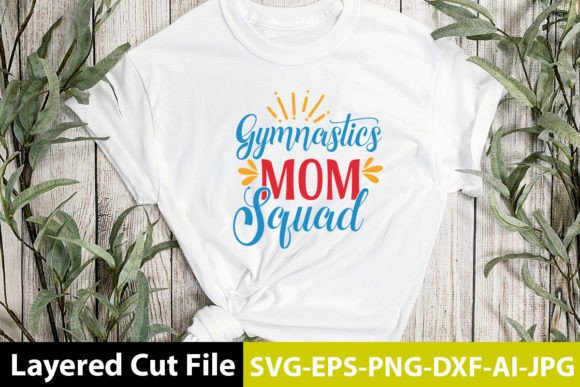
When evaluating the Gymnastics Mom Squad SVG Design for potential embroidery projects, my first focus is always on the structural integrity of the artwork. As a designer who bridges the gap between digital graphics and physical stitching, I look for more than just a cute aesthetic; I look for translatability. This design immediately strikes a chord with its intended audience. The layout suggests a bold, team-oriented vibe that is essential for the gymnastics community. Visually, it carries the energetic momentum associated with the sport, but from a production standpoint, the layered file structure is what truly matters.
The inclusion of six distinct file types—SVG, PNG, EPS, AI, JPG, and DXF—is a significant advantage for mixed-media creators. While this product is listed under Graphics and Crafts, an experienced embroiderer knows that having access to the vector-based EPS or AI files allows for necessary adjustments before digitizing. You can tweak node points to reduce stitch count or adjust spacing for specific fabric textures without losing resolution. The visual personality here is confident and communal, making it ideal for group apparel or matching squad gear, but success depends entirely on how you adapt these cut files into a viable machine embroidery design.
Real-World Application: Stitching Out Team Sweatshirts
To truly judge the utility of this design, I mentally placed it in a real-life scenario: creating custom sweatshirts for a local gymnastics booster club. This is a classic use case where the Gymnastics Mom Squad SVG Design shines, but also where technical pitfalls hide. Sweatshirt fleece is textured and stretchy, two factors that can distort a poorly planned embroidery project.
In this scenario, I would utilize the SVG or DXF file to create a custom applique design rather than a full fill stitch. Using the vector lines as guides for satin stitch borders and running stitch placement lines saves thousands of stitches and prevents the garment from becoming stiff and heavy. For the lettering in "Mom Squad," clarity is paramount. If the font in the original graphic has thin serifs or distressed edges, they must be reinforced during digitization to prevent thread breaks or sinking into the fleece pile. The result should be a lightweight, durable finish that parents are proud to wear at competitions. This approach transforms a simple digital graphic into a high-value handmade product that fosters team spirit and offers excellent perceived value for Etsy sellers or small shop owners.
Navigating Fabric Challenges and Hoop Limitations
While the design is versatile, certain applications require caution. When working with this asset, you must consider the relationship between detail level and fabric choice. I would advise against using intricate versions of this design on highly textured fabrics like terry cloth towels or uneven weave linens unless you simplify the elements significantly. The fine details that look crisp on screen will disappear in the nap of a towel.
Furthermore, pay close attention to hoop size constraints. If you are planning a tote bag design or a large back print on a jacket, ensure your vector lines are smooth enough to scale up without jagged edges. Conversely, if you intend to shrink this down for a baby embroidery project or a small embroidered patch, you must verify that the smallest text elements remain legible. Tiny lettering often requires specialized column widths that standard auto-digitizing software cannot achieve. Always check the minimum height requirements for your specific machine and thread weight. Stretchy performance fabrics, common in gymnastics gear, demand a robust stabilizer strategy; otherwise, the design will pucker regardless of how well the file was prepared.
Elevating Product Value Through Professional Execution
The difference between a hobbyist craft and a professional commercial embroidery piece often lies in the finishing. Using the Gymnastics Mom Squad SVG Design effectively can significantly boost buyer engagement and customer trust. When customers see clean registration, appropriate stitch density, and thoughtful color choices, they recognize quality. This design’s theme naturally lends itself to personalized gifts and boutique branding, but only if the execution matches the sentiment.
For digital product sellers and creative entrepreneurs, this graphic serves as an excellent base for printable mockups. However, do not rely solely on digital previews. Create a physical sample to photograph. Showing the actual texture of the satin stitch or the layering of an applique builds authenticity. Whether you are selling finished custom apparel or offering this as part of a larger bundle of design assets, demonstrating that you understand the physical limitations and possibilities of the art form establishes authority. It tells the buyer that this isn't just a picture; it is a tested solution for their merchandise needs.
Critical Designer Notes for Production Success
Before you commit this design to fabric or list it in your shop, adhere to these practical guidelines to ensure safety and quality:
- Verify Licensing Terms: The product description lists compatible software and file formats but does not explicitly state commercial licensing terms for embroidery. Before selling finished products or digital embroidery files derived from this art, confirm you have the right to do so.
- Test on Scrap Fabric First: Never stitch directly onto a final garment without testing. Use a scrap of the exact material and stabilizer combination you plan to use to check for puckering, registration issues, or thread tension problems.
- Check Thread Color Contrast: Test the design in both black-and-white and full-color mockups. Ensure the design reads clearly on dark fabrics as well as light ones, as gymnastics team colors vary widely.
- Review Stitch Density: If converting from SVG to embroidery format manually, avoid excessive density. Overly dense areas can cause needle breaks and fabric distortion, especially on stretchy knits.
- Confirm Hoop Size Compatibility: Measure the design dimensions against your available hoops. Resizing vector art is easy; resizing a pre-digitized embroidery file often ruins stitch angles and spacing.
- Inspect Small Details: Zoom in to 400% to check for stray nodes or overlapping paths in the SVG/AI files that could cause unwanted jumps or trims during stitching.
- Stabilizer Selection: Match your stabilizer to the fabric weight and design density. Cut-away stabilizer is generally superior for stretchy apparel, while tear-away may suffice for stable woven tote bags.
- Mockup Realism: When creating listings, use realistic shadows and fabric textures in your digital previews to manage customer expectations regarding the final handmade product appearance.
Final Thoughts on Versatility and Craftsmanship
The Gymnastics Mom Squad SVG Design represents a strong starting point for makers and business owners in the niche apparel market. Its multi-format availability respects the workflow of modern creators who move fluidly between cutting machines and embroidery needles. By treating this graphic not as a finished destination but as a raw material requiring skilled interpretation, you unlock its true potential. Whether applied to a holiday gift, a competition-day sweatshirt, or a branded accessory, success comes from respecting the physics of thread and fabric. Approach this design with technical diligence, and it will serve as a reliable asset in your creative inventory, helping you produce work that resonates deeply with the gymnastics community.